
2026/27
The IWS prospectus
A registered online Cambridge International School
2026/27
A registered online Cambridge International School
Welcome
Education is one of the most significant investments a family makes. At IWS, we believe that a school’s primary role is to provide a stable, clear environment where students can find their confidence and reach their potential.
Our approach is straightforward: we combine the academic rigour of the Cambridge curriculum with the flexibility of modern online learning. We do not just deliver lessons; we provide a structure that supports growth. Our teachers act as dedicated mentors, ensuring that while students learn to be independent, they are never left without guidance.
Whether your child is beginning their education in Primary or preparing for university in the Sixth Form, our commitment remains the same: to deliver high-quality British education with clarity, consistency and care.
Whatever your child’s age, our commitment remains the same: to deliver high-quality British education with clarity, consistency and care.
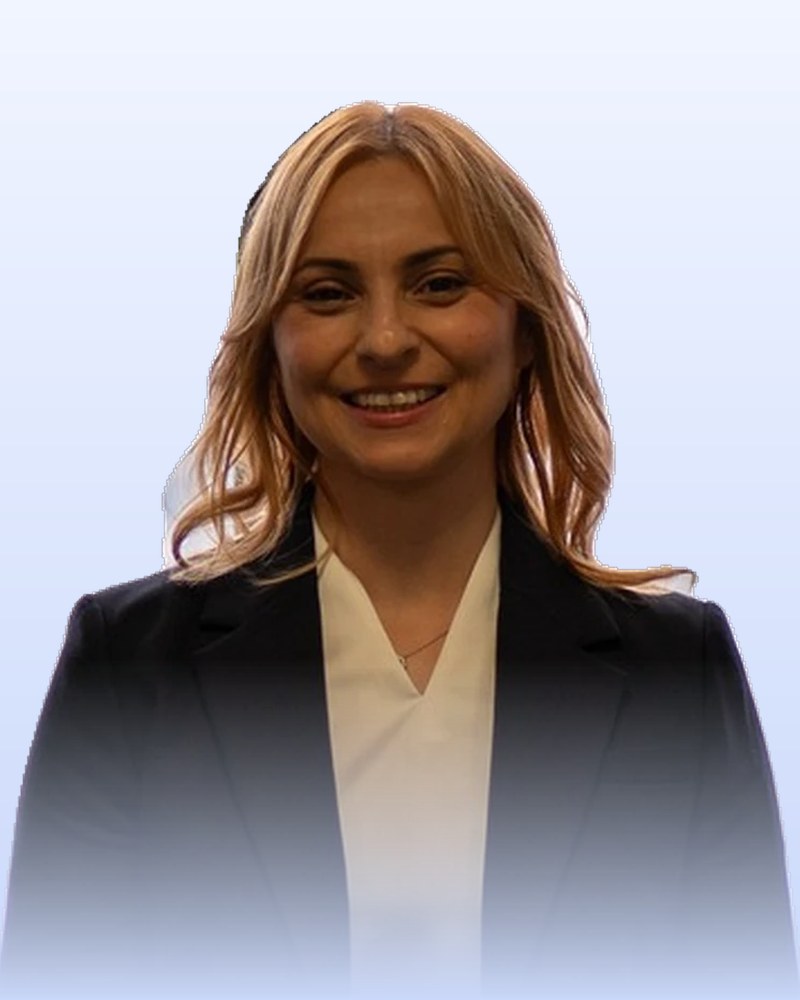 Cigdem KaramanCEO & Founder
Contents
Look for the play button: families and students tell their own story in short films all through the book.
Welcome
IWS is a British school that meets online. Our students join their lessons from home, wherever their family lives.


One timetable, every time zone. Lessons run on UK time, and every one is recorded, so a lesson that falls at night can be watched in the morning.
In their words
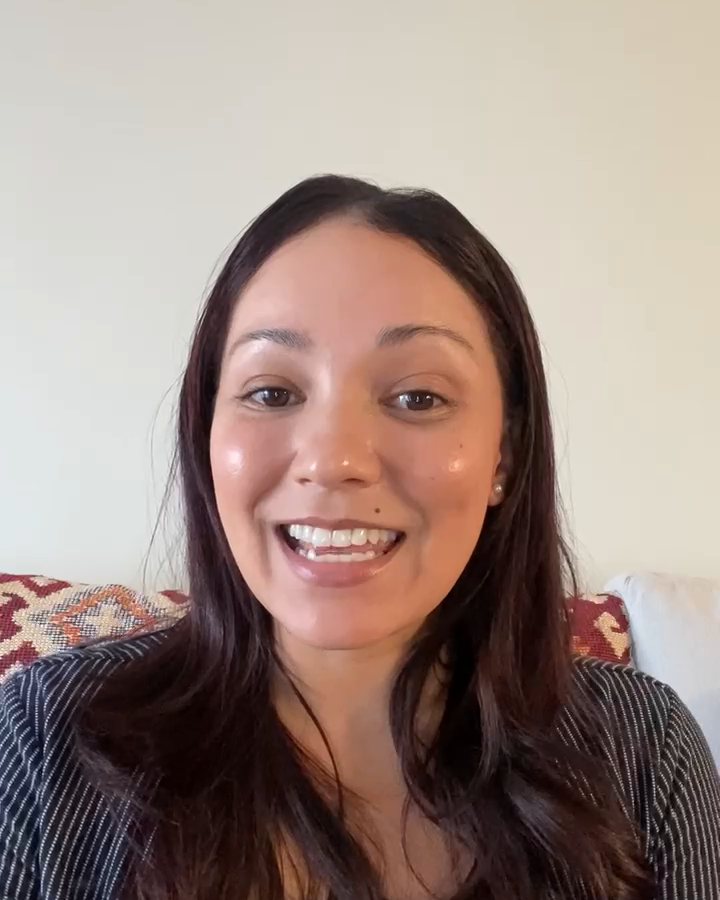 Taylah R.Watch her film
He is always eager to attend his online lessons, and he speaks very highly of his teachers.
Welcome
Children do their best work when they know what’s expected and the help doesn’t change from week to week. Everything we do rests on three ideas.Everything we do rests on three ideas.
Every lesson keeps the same rhythm: the teacher explains, your child practises with help, and the class recaps what they’ve learnt.
 Discover, Create, Lead. It’s our motto, and the way through the school: year by year, students take on more of their own learning, ready for university and beyond. Year by year, students take on more of their own learning.
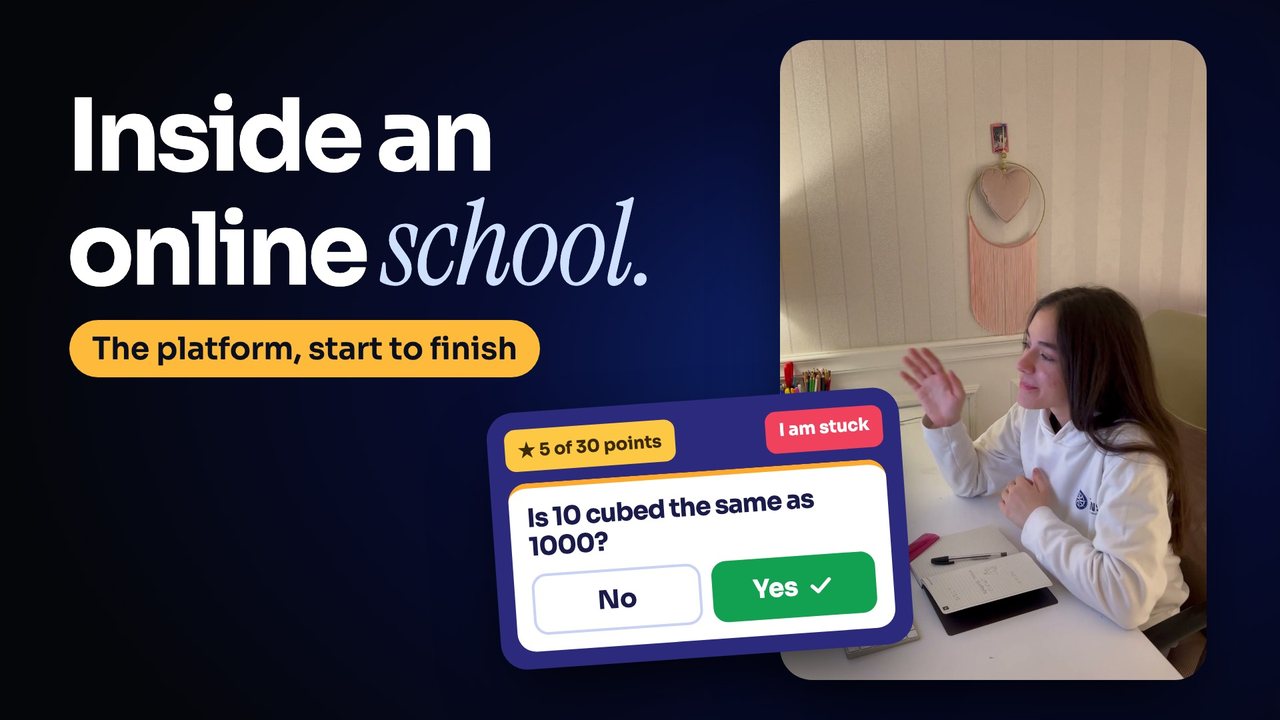
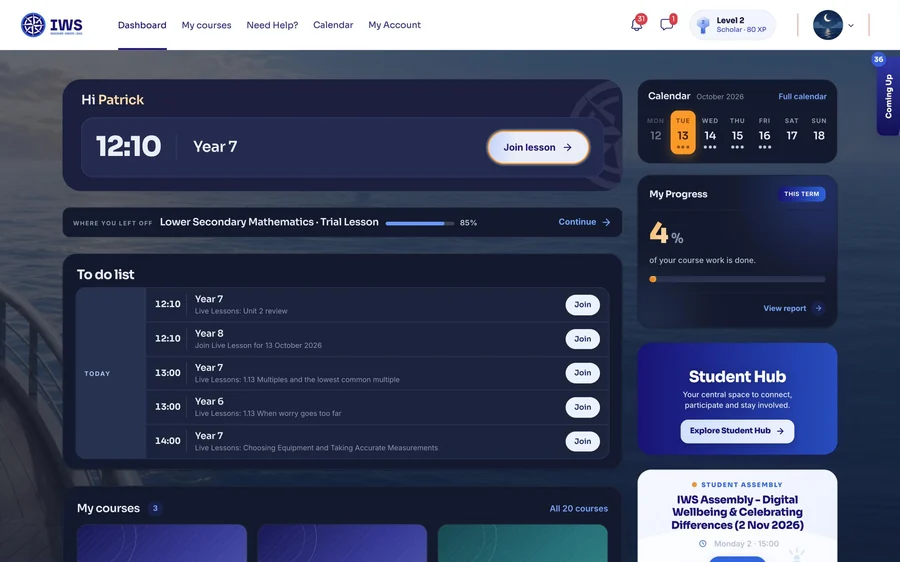
Lessons, recordings and work all live in one place on the learning platform.
Three ways to learn
Every family has a different rhythm. The teaching stays the same; you choose how much of it is live.
 AcademyThe complete IWS school. 12 to 15 live lessons a week, depending on year group.The complete IWS school. 12 to 15 live lessons a week.
 BridgeAlongside another school or pathway. One live lesson in each subject every week.Alongside another school. One live lesson a subject each week.
 FoundationRecorded lessons, at your child’s own time and pace.Recorded lessons, at your child’s own pace.
Which one fits your child?Turn the page
Three ways to learn
| Academy | Bridge | Foundation | |
|---|---|---|---|
| Teaching | A full weekly timetable of live lessons, with teachers and classmates in real time. | One live lesson in each subject every week, to consolidate the learning. | No live lessons. Learning runs on our library of recorded lessons. |
| Marking | Teacher-marked work and personal feedback, mock exams included. | Auto-graded quizzes and unit assessments. | Auto-graded checks that open the next part of the course. |
| Support | A Mentor, one of their own teachers, and the Well-Rounded Programme. | A Mentor who keeps them on course. | A Mentor who helps them stay organised. |
On every model: Houses, clubs, the whole platform, and no extra books to buy. Students sit Cambridge exams at a local exam centre; the family registers, and we guide you through it.
Three ways to learn
The curriculum is the same in all three. What changes is how much is taught live, and how work is marked. Lessons are counted in each subject, each week.The same curriculum in all three. Lessons are counted in each subject, each week.
| Academy | Bridge | Foundation | |
|---|---|---|---|
| Primary to IGCSE | 3 live lessons in each subject a week3 live | 1 live and 2 recorded lessons in each subject a week1 live, 2 recorded | 3 recorded lessons in each subject a week3 recorded |
| A Level | 4 live lessons in each subject a week4 live | 1 live and 3 recorded lessons in each subject a week1 live, 3 recorded | 4 recorded lessons in each subject a week4 recorded |
| University Foundation | 15 live lessons a week15 live a week | 5 live lessons a week5 live a week | Recorded lessonsRecorded |
| Marking | Teacher-marked work and personal feedbackTeacher-marked work and personal feedback | Auto-graded work and automated feedbackAuto-graded work and automated feedback | Auto-graded work, with feedback on what’s handed inAuto-graded work, with feedback on what’s handed in |
| Reports | Reports and a certificateReports and a certificate | Academic reportsAcademic reports | An end-of-year reportAn end-of-year report |
Whichever way they learn, every student joins a House and can take part in clubs and forums.Every student joins a House and can take part in clubs and forums.
Three ways to learn
Bridge is for a child who stays at their own school, or follows another path, and wants a Cambridge education with us too.
Bridge is for a child who stays at their own school and wants a Cambridge education with us too.
one live lesson a subject, each weeklive, once a weekrecordings and work, when it suitsrecordings
Learning around a life
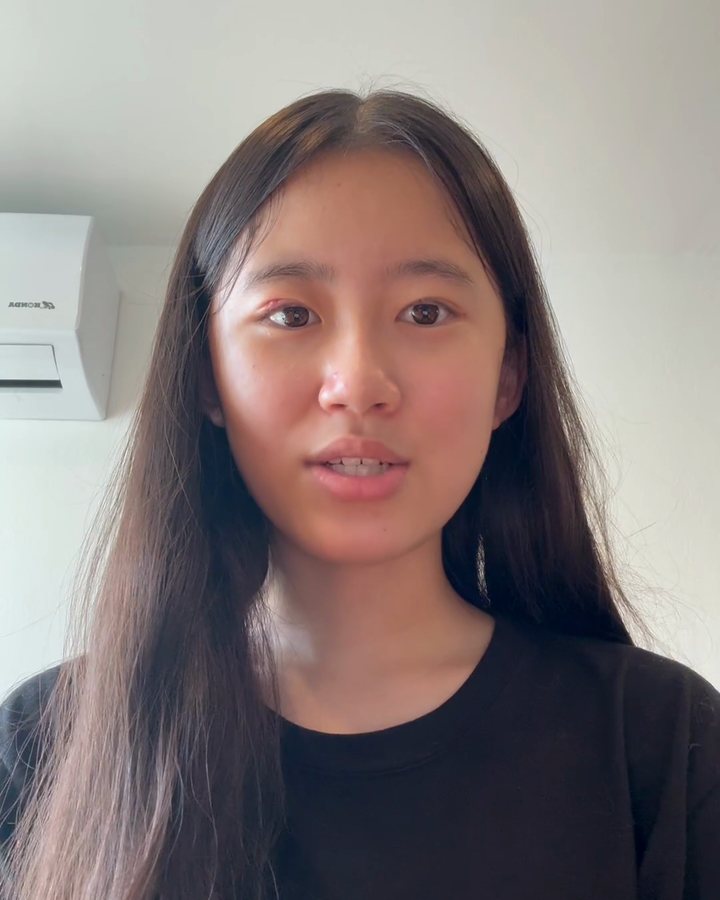 Kei Y.Watch her filmIGCSE, ballet
IWS has really helped me grow academically while allowing me to pursue my passion for ballet.IWS has really helped me grow academically while allowing me to pursue my passion for ballet.
 Adrian E.Watch his filmStudent athlete
Having the flexibility to balance my academic responsibilities with my training and competitions was incredibly valuable.The flexibility to balance my academic responsibilities with my training and competitions was incredibly valuable.
Three ways to learn
It depends on the country. It’s one of the first things we talk through with a family.
Where every child must attend a local schoolIt depends on the country
Some countries expect every child to be enrolled at a school there, and a few don’t allow home education at all. Families there choose Bridge: their child stays at their own school and studies with us alongside it.Some countries expect every child to attend a local school. Families there choose Bridge, alongside it.
Tell us where you liveTell us where you live
On the call we’ll ask where your family lives and what you have in mind, and we’ll talk it through with you before you decide anything.We’ll talk it through on the call, before you decide anything.
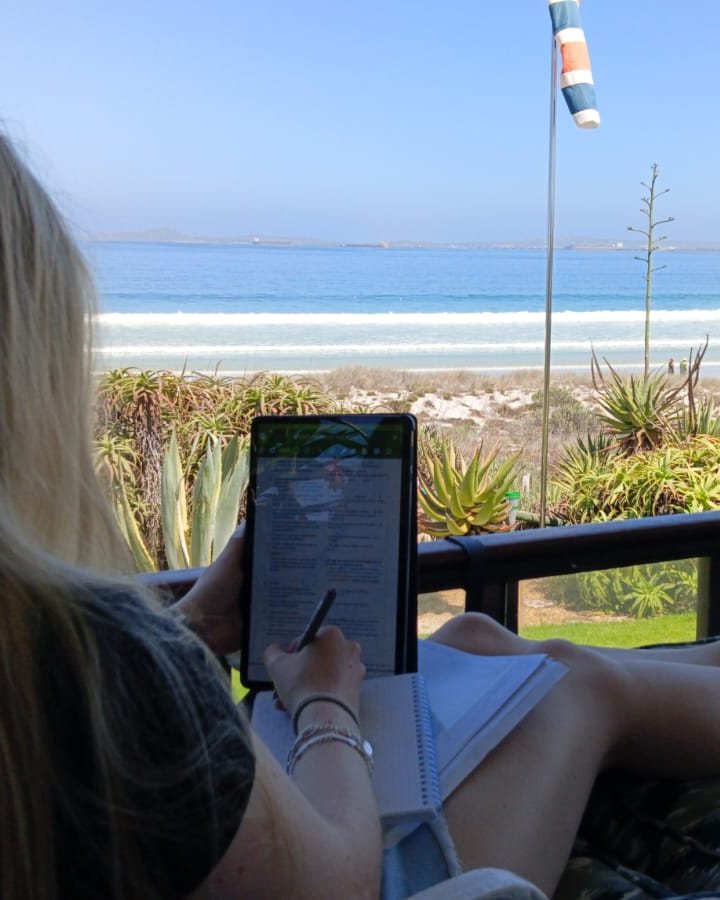
Lessons from home, wherever home is this year.
Programmes
Each stage builds on the one before. We place your child by age, and the Learner Profile shows their level, whatever system they’ve come from.By age, with the Learner Profile showing their level.
Programmes
Ages 5 to 11
A calm start to school, with a daily routine that mixes time on screen with time away from it.A calm start, with time on screen and time away from it every day.
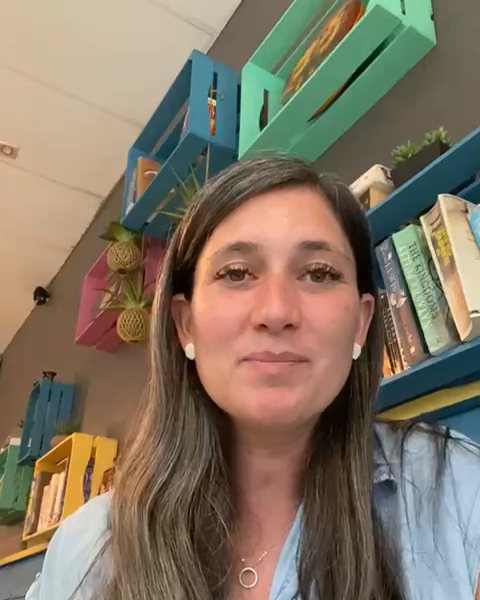
He gets to go play cricket in between lessons, and then he comes and he sits and he’s able to learn again.He gets to go play cricket in between lessons, and then he’s able to learn again.
Programmes

Ages 11 to 14
Students take more charge of their own learning, and a steady week builds the study habits they’ll need for IGCSE.Students take more charge, and build the habits they’ll need for IGCSE.
The teachers give one-on-one attention to the students, instead of just delivering a lecture.The teachers give one-on-one attention, instead of just delivering a lecture.
Programmes

Ages 14 to 16
Two years of serious subject work, with regular checks so students are ready well before their Cambridge exams.
Core
Science
Choose from
Programmes
Ages 16 to 18
Students go deep into a few subjects with specialist teachers, and learn to work the way they will at university.

I have learned to become more independent with my work.I have learned to become more independent with my work.
Programmes
Ages 16+
A one-year route to university for students who do better with coursework than with high-stakes exams. The qualification is awarded through OCN London.One year to university, all coursework, awarded through OCN London.
95%of students go on to one of 165+ university pathwaysgo on to one of 165+ university pathways
Programmes
Yes. Your child can take the full package, or study subjects on their own.Yes. The full package, or subjects on their own.
At A Level: most universities ask for three A Levels, so it’s worth checking what your child’s next step will need.
See the feesA day at IWS
When live lessons started in one real week, in UK time.When live lessons started in one real week.
| Hour (UK time) | Live lessons starting |
|---|---|
| 8am | 16 |
| 9am | 38 |
| 10am | 38 |
| 11am | 36 |
| 12 noon | 36 |
| 1pm | 37 |
| 2pm | 19 |
| 3pm | 7 |
| 4pm | 11 |
| 5pm | 2 |
A day at IWS
Classes have at most 15 students, and Primary classes are often smaller, so every child is known by name.At most 15 students, so every child is known by name.
At most 15 in a class, and one of them is your child.

The classes are actually really interactive, unlike what most people would think when going to an online school.The classes are actually really interactive.
A day at IWS
A day at IWS
We don’t have to fight about getting schoolwork done anymore.
Homework: set each Monday and handed in each Friday. It pauses in the last three weeks of each term.
A day at IWS
Our teachers
Qualified teachers, each a specialist in their subject, who know your child by name.
 Dennis LukoziScience and PhysicsPhysics
 Edward EayrsEnglishEnglish
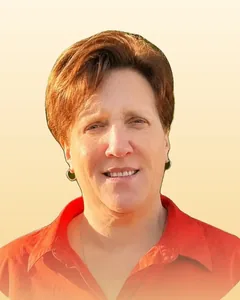 Elsie EayrsHistory, and Academic LeadHistory
 Michelle van RoonPsychology and SociologyPsychology
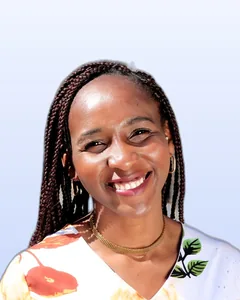 Ruth AkintolaPrimaryPrimary
Our teachers
Marks and progress on the platform, and parent meeting weeks every term.
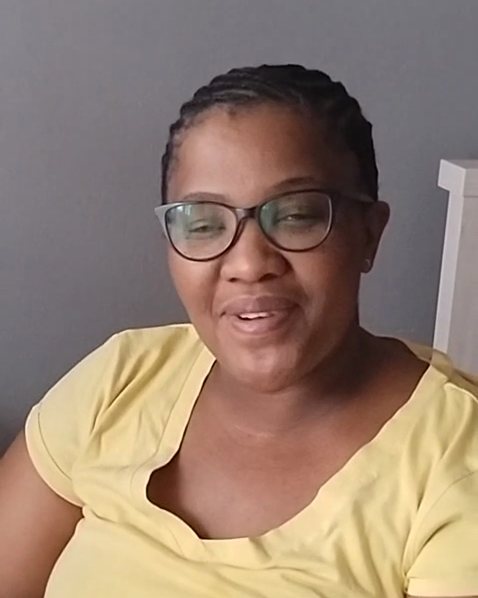
What I love about the school is that they are in constant communication.They are in constant communication.
Our teachers
Every IWS student receives mentoring that fits their learning model. A Mentor keeps the wider view of each student: their goals, progress and habits, what’s getting in the way and what should happen next.Someone who keeps the wider view: goals, progress, habits, and what should happen next.
In Academy, your child’s Mentor is one of their own teachers.
Thanks to the mentoring support from IWS, I passed my A Levels with flying colours.
Exams and university
Cambridge exams are sat in person, at an approved exam centre near you.
We guide you through every step, from finding a centre to the exam day.We guide you through every step.
Exams and university
Cambridge International’s own figure. IWS Online School is a registered online Cambridge International School.Cambridge International’s own figure.
Exams and university
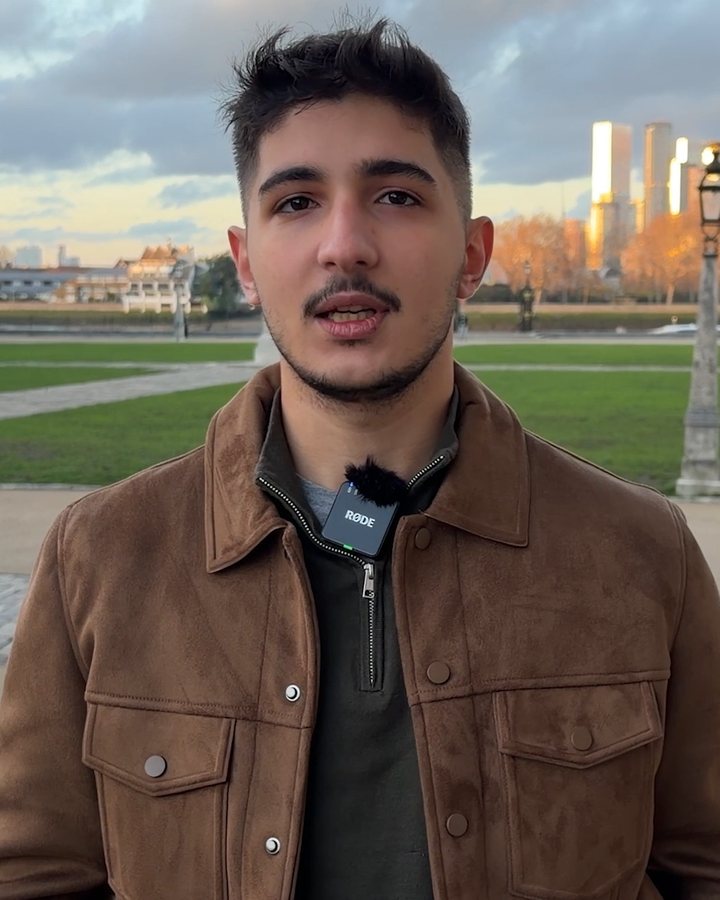 Aydın T.City St George’s, University of London
Aydın T.Now at City St George’s, University of London
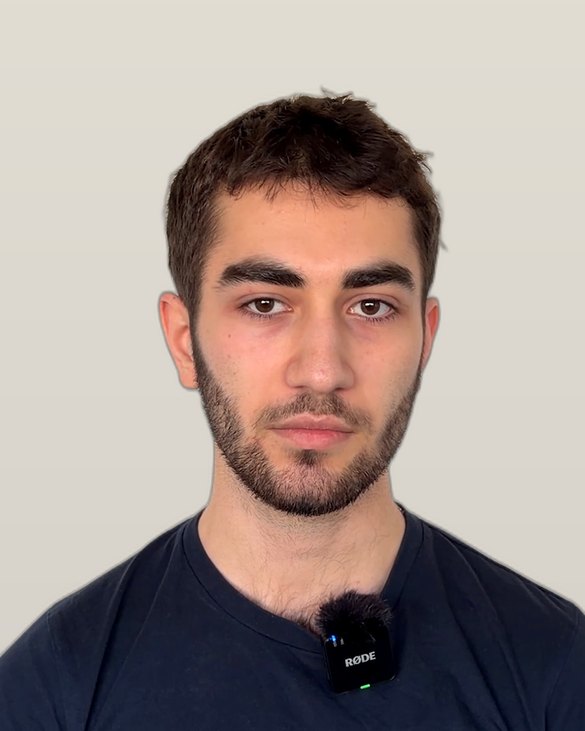 Emre K.Maths and data science
Emre K.Studying maths and data science
 Alexandru R.Reading law
Is it right for us?
Is it right for us?
Some families come to us after a school that didn’t suit their child.
Tell us about your child on the call. If we’re not the right fit, we’ll say so.
Friends and community
Every student joins one of four Houses after taking the House Quiz. The Houses are the four points of the compass in the IWS badge.
Seven clubs, six of them led by students, meet online at 3pm UK time, Tuesday to Friday:
NorthIntegrity & VisionEastInnovation & DiscoverySouthEmpathy & CommunityWestResilience & ActionFour Houses, and seven clubs at 3pm UK time, six led by students.
I’ve started the Debate Club, and I really like it because it’s interactive, it builds confidence.I’ve started the Debate Club.

Who looks after them
Everyone at IWS is responsible for keeping children safe. Our safeguarding policy covers staff checks and safer recruitment, how live lessons and one-to-one sessions are run, and online safety.
Michelle van Roon leads safeguarding and pastoral care, with leads safeguarding, with Elsie Eayrs as her deputy. as deputy.
Read the safeguarding policyWhen can we start?
At the start of a term, or partway through one. The 2026/27 year has three terms and 34 teaching weeks.At the start of a term, or partway through one.
Three terms, 34 teaching weeks, 14 Sep 2026 to 28 May 2027.
Families join at any point in the year.Families join at any point.
When can we start?
Our admissions team replies within one working day.
What does it cost?
Your fee depends on three things:Your fee depends on:
The programmeProgramme×The learning modelModel×How many subjectsSubjects
Questions
A parent’s view
I am an educator myself, I am a professor at the university, and I would recommend this school strongly.
Let’s talk
Whether you’re ready to apply or would just like to know more, our admissions team is here from your first question to your child’s first lesson.
This form needs JavaScript to send. You can also email us at [email protected].
It’s open where you stopped reading, just above.
Download the prospectus as a PDF
Opens in a new tab. 42 pages, about 7.5 MB.
Thirty minutes with our admissions team, at a time that suits you.